9 Tree Removal Situations Toronto Arborists Say Homeowners Should Never Ignore (2026 Guide)
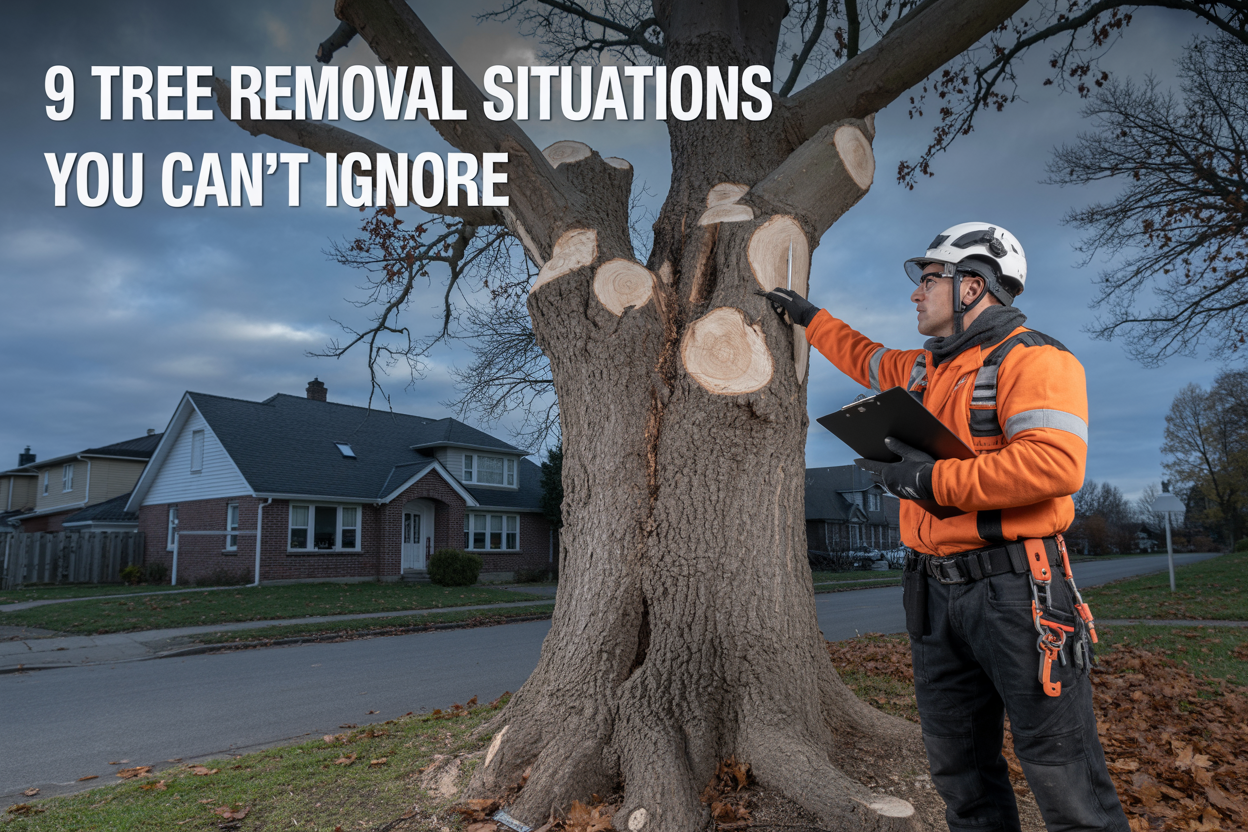
When you’re dealing with tree issues on your Toronto property, knowing when to call for professional tree removal can save you thousands in property damage and keep your family safe. This guide is for homeowners who want to spot serious tree problems before they turn into expensive disasters.
Toronto arborists see the same dangerous situations over and over again – homeowners who wait too long to address obvious warning signs. You don’t need to be a tree expert, but you do need to recognize when your trees pose real risks to your home, family, or neighbors.
We’ll walk you through the most critical situations that demand immediate attention, including structural damage signs like leaning trunks and cracked bark that signal your tree could fall without warning. You’ll also learn how to identify disease and pest problems that can’t be fixed with treatment, plus understand when storm damage makes your trees a safety hazard that needs emergency response.
By the end of this guide, you’ll know exactly when to pick up the phone and call a certified arborist instead of hoping the problem fixes itself.
Structural Damage Signs That Demand Immediate Tree Removal
Visible Cracks in the Main Trunk That Compromise Tree Integrity
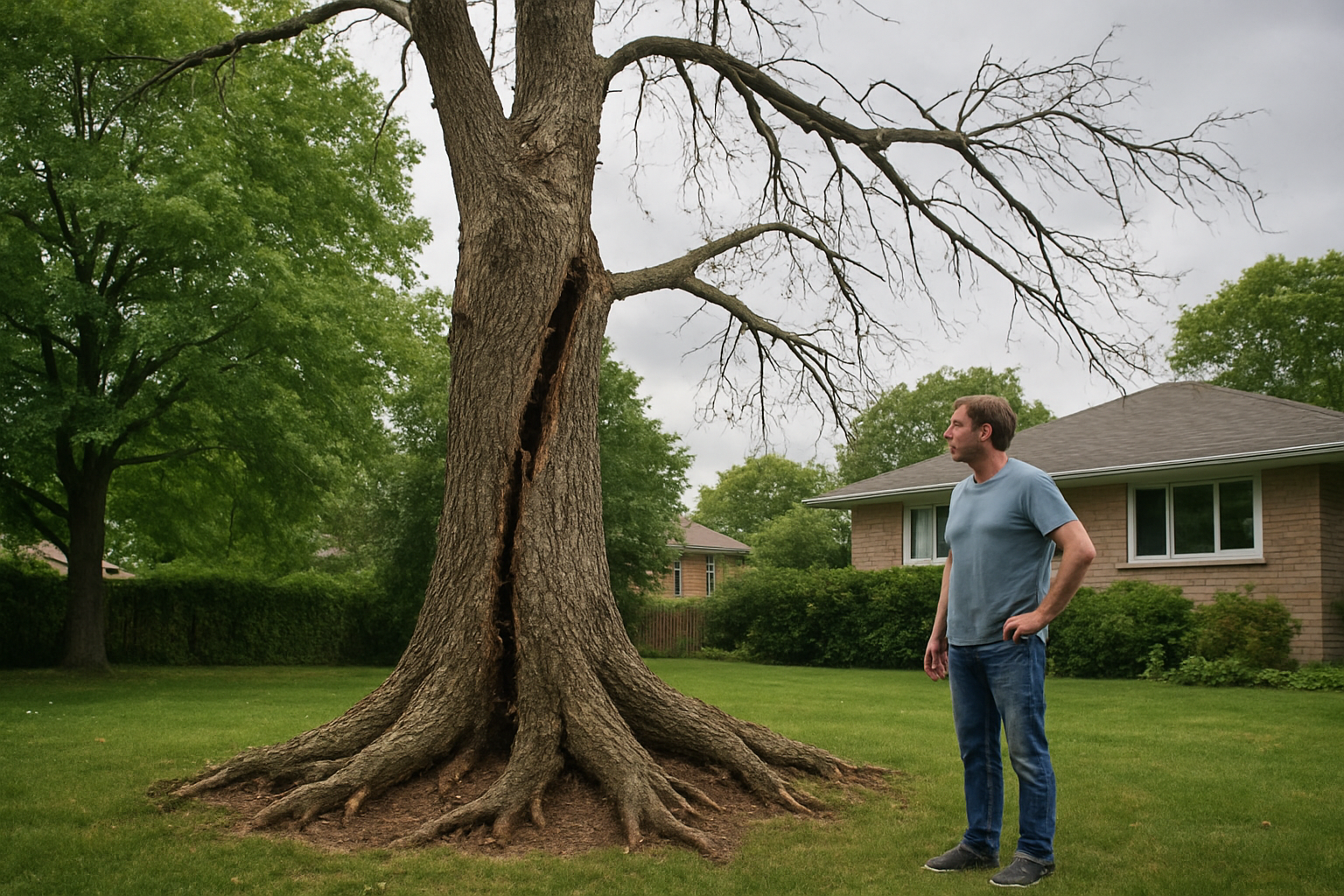
When you spot cracks running up or around your tree’s main trunk, you’re looking at one of the most serious warning signs in arboriculture. These fractures go far beyond cosmetic damage—they represent fundamental structural weaknesses that can lead to catastrophic failure without warning.
You’ll want to examine your trees regularly for vertical cracks that extend deep into the wood, especially after severe weather events. These splits often start small but expand over time as the tree continues to grow and face environmental stresses. Horizontal cracks are equally concerning, as they indicate the trunk may be under excessive pressure or experiencing internal decay.
Pay special attention to cracks that you can see through or that have bark peeling away from the edges. If you can insert your hand into the crack, the tree has likely lost significant structural integrity. Multiple cracks on the same trunk compound the danger exponentially, creating weak points that can fail under normal wind loads or even the tree’s own weight.
Don’t wait for these cracks to “heal” naturally—trees can’t repair major trunk damage the way they might seal smaller wounds. Professional removal becomes your only safe option when trunk cracks compromise the tree’s ability to support its crown safely.
Extensive Root Damage Threatening Foundation Stability
Your tree’s root system serves as both anchor and nutrient highway, but when extensive damage occurs, you’re facing a double threat to your property. Root damage doesn’t just weaken the tree—it can destabilize your home’s foundation, sidewalks, and underground utilities.
Construction work, grade changes, or soil compaction can sever major roots, leaving your tree unable to support its above-ground structure. You might notice the tree leaning more than usual, or see exposed roots that appear damaged, diseased, or dying. If more than 25% of a tree’s root system suffers damage, the entire tree becomes unstable.
Look for signs around your property that indicate root problems: foundation cracks, uneven sidewalks, or bulging areas in your lawn. Tree roots seeking water can infiltrate and damage sewer lines, septic systems, and water mains, leading to expensive repairs that far exceed tree removal costs.
You should also watch for root rot, which appears as soft, discolored, or foul-smelling root material. This fungal condition spreads quickly through the root system and cannot be reversed once established. When root damage reaches critical levels, your tree becomes a liability that threatens both personal safety and property value.
Hollow or Decayed Interior Wood Exposing Weakness
A tree might look healthy from the outside while hiding dangerous structural weakness within its trunk and major branches. Internal decay creates hollow spaces that dramatically reduce the tree’s load-bearing capacity, making failure unpredictable and often sudden.
You can identify internal decay through several telltale signs. Mushrooms or fungi growing on the trunk indicate active rot inside the wood. Carpenter ants, boring insects, or woodpecker damage often signal that the interior wood has softened enough to attract these creatures. Sometimes you’ll notice sawdust-like material around the base of the tree, which insects push out as they tunnel through decayed wood.
Tap the trunk with a mallet or hammer—healthy wood produces a solid thunk, while hollow or decayed areas create a deeper, drum-like sound. Professional arborists use specialized tools to measure the extent of internal decay without damaging the tree, but obvious signs warrant immediate attention.
The danger lies in the unpredictability of failure. A tree with 70% of its interior wood decayed might stand for years or collapse during the next windstorm. You can’t rely on external appearance to gauge safety when internal structural integrity has been compromised. The risk to people and property makes removal the responsible choice.
Multiple Large Branch Failures Creating Safety Hazards
When your tree begins dropping large branches repeatedly, you’re witnessing a pattern that signals systemic structural problems throughout the entire tree. Single branch failure might be manageable, but multiple large branch losses indicate widespread weakness that won’t improve over time.
You’ll recognize this pattern when branches six inches or larger in diameter fail during normal weather conditions. These aren’t small twigs breaking off—you’re dealing with substantial limbs that can cause serious injury or property damage. Each failure weakens the tree’s overall structure and creates stress points that make additional failures more likely.
Branch failures often occur at weak attachment points where branches join the trunk. Look for branches with included bark (where bark grows between the branch and trunk), co-dominant stems of similar size competing for space, or branches growing at sharp angles. These structural defects create weak points that cannot support the branch’s weight long-term.
The debris from multiple branch failures creates ongoing cleanup costs and liability risks. More importantly, the unpredictable timing of future failures makes these trees unsuitable for areas where people regularly walk or park vehicles. Your insurance company and local authorities may hold you responsible for damages caused by branches from trees you knew were failing. When branch failure becomes a pattern rather than an isolated incident, removal protects both your safety and financial interests.
Disease and Pest Infestations That Cannot Be Treated
Advanced Fungal Infections Spreading Throughout the Canopy
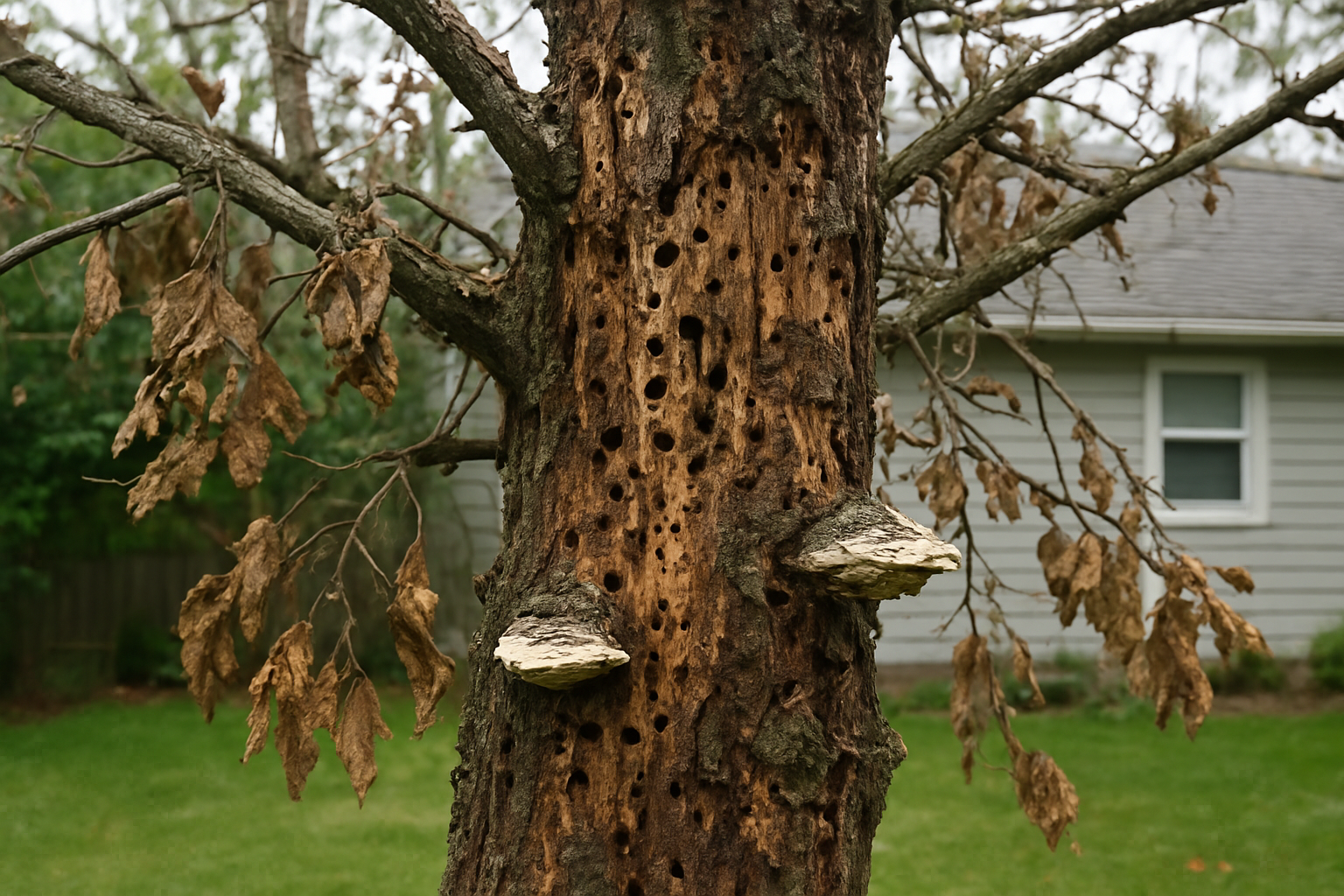
When you notice mushrooms or conks growing on your tree’s trunk, branches, or at the base, you’re looking at visible signs that dangerous fungi have already compromised your tree’s structural integrity. These fungal infections work like silent destroyers, breaking down the wood fibers that keep your tree standing strong.
You might spot bracket fungi creating shelf-like growths on the bark, or notice areas where the bark appears sunken and discolored. Once these infections spread throughout the canopy, affecting multiple branches and the main trunk, your tree has passed the point of recovery. The fungus has essentially begun digesting the tree from within, making it a ticking time bomb.
Different fungi attack different parts of your tree. Heart rot fungi target the inner wood while keeping the outer layers intact, creating a hollow shell that can collapse without warning. Root rot fungi attack the foundation, making your tree unstable even if the canopy looks healthy. When you see fruiting bodies appearing in multiple locations across your tree, the infection has spread beyond any treatment possibilities.
Professional arborists can distinguish between treatable early-stage infections and those requiring immediate removal. If your tree shows extensive fungal growth, especially on major structural components, removal becomes your safest option to protect your property and family.
Emerald Ash Borer Damage Beyond Recovery Point
Your ash tree might look perfectly healthy from a distance, but emerald ash borer damage often remains hidden until it’s too late. These invasive beetles create serpentine galleries under the bark, cutting off the tree’s ability to transport nutrients and water. By the time you notice the telltale D-shaped exit holes, your tree has likely sustained irreversible damage.
You can identify advanced infestation through several warning signs: woodpecker damage as birds hunt for larvae, bark splitting and falling off in sections, and epicormic shoots sprouting from the trunk as your tree desperately tries to survive. Crown dieback typically starts at the top and works downward, leaving you with a tree that’s structurally compromised.
Once emerald ash borer damage exceeds 30% of the canopy, treatment becomes ineffective and costly. Your tree will continue declining regardless of intervention efforts. The beetles work so efficiently that they can kill healthy ash trees within two to four years of initial infestation.
| Damage Level | Crown Dieback | Treatment Success | Recommended Action |
|---|---|---|---|
| Early (0-25%) | Minimal | High | Treatment possible |
| Moderate (25-50%) | Noticeable | Limited | Evaluate removal |
| Severe (50%+) | Extensive | None | Immediate removal |
Root Rot Disease Compromising Entire Tree Health
Root rot operates like a hidden assassin, destroying your tree’s foundation while leaving the above-ground portions looking relatively normal. You might not realize anything’s wrong until your tree starts leaning, develops sudden crown dieback, or worse, falls during a storm because the root system can no longer support its weight.
Several signs indicate root rot has progressed beyond treatment. You’ll notice mushrooms growing near the base, especially honey mushrooms or armillaria. The soil around your tree might smell musty or sour, and when you examine exposed roots, they’ll appear dark, soft, and may easily break apart in your hands. Healthy roots should be firm and white or light-colored inside.
Phytophthora root rot particularly affects trees in poorly drained soils, creating conditions where your tree literally drowns from the roots up. Once this disease establishes itself throughout the root system, your tree loses its ability to absorb water and nutrients effectively. You might notice the canopy thinning, leaves turning yellow or brown out of season, and overall decline that doesn’t respond to typical care.
When root rot compromises more than 50% of your tree’s root system, removal becomes necessary. The structural integrity is gone, and your tree poses a significant hazard. Professional soil analysis can confirm the extent of root damage and help you make informed decisions about replacement plantings.
Storm Damage Assessment and Emergency Response Needs
Lightning Strike Damage Creating Unstable Tree Conditions
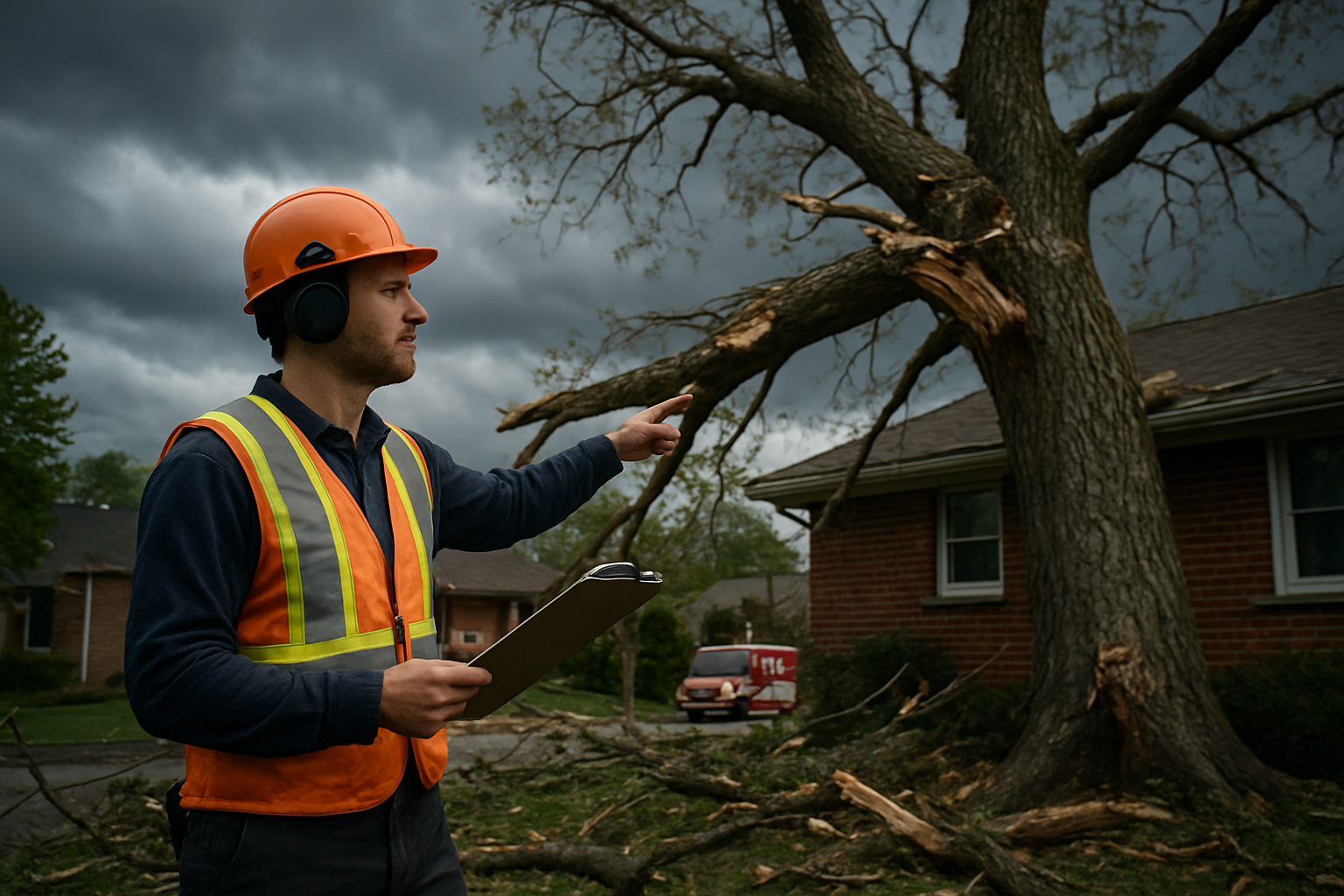
When lightning strikes your tree, you’re dealing with severe internal damage that might not be immediately visible from the ground. The electrical discharge travels through the tree’s moisture-conducting tissues, literally cooking the wood from the inside out. You’ll often see a spiral crack running down the trunk, bark blown off in strips, or branch tips that appear burned.
What makes lightning damage particularly dangerous is that the tree’s structural integrity becomes compromised in ways you can’t assess without professional equipment. The internal wood fibers separate, creating hidden weak points that could cause catastrophic failure weeks or months later. Your tree might look stable today but could collapse during the next moderate windstorm.
Don’t wait to see if your lightning-struck tree will recover. Even if some branches still have leaves, the damage extends throughout the entire vascular system. Toronto arborists consistently recommend immediate removal because these trees become unpredictable time bombs in your landscape.
Wind Damage Causing Severe Leaning or Uprooting
Strong winds can push your trees beyond their breaking point, creating lean angles that spell immediate danger. When you notice your tree leaning more than 15 degrees from vertical, especially after a storm, you’re looking at a removal situation rather than a correction opportunity.
Root systems suffer massive trauma during wind events. Even if your tree doesn’t fall completely, the underground damage weakens its ability to anchor properly in the soil. You might see:
- Exposed roots on one side of the tree
- Soil mounding or cracking around the base
- The tree swaying more than usual in light winds
- A noticeable change in the tree’s lean angle
Partially uprooted trees present extreme hazards because they can complete their fall without warning. The remaining root connections act like a hinge, making the tree’s behavior unpredictable. Your leaning tree might seem stable for days or weeks before gravity wins the battle.
Ice Storm Breakage Leaving Dangerous Hanging Branches
Ice storms create some of the most hazardous conditions you’ll encounter with damaged trees. The weight of accumulated ice can be enormous – just one inch of ice on a large tree adds several thousand pounds of stress to branches and trunk.
After an ice storm, you need to identify these critical warning signs:
- Hanging branches supported only by bark strips or small wood connections
- Crown splitting where major limbs have partially separated from the trunk
- Bent branches that spring back when ice melts, creating stored energy
- Multiple break points throughout the canopy indicating systemic failure
These hanging branches become “widow makers” – they can fall without warning, even days after the storm passes. As temperatures fluctuate and ice melts unevenly, the stress patterns in your damaged tree keep changing. What looks secure in the morning might crash down by afternoon.
You can’t safely remove large hanging branches yourself. The tension in partially broken limbs makes them extremely dangerous to approach, even with proper equipment.
Flood Damage Weakening Root Systems and Soil Stability
Flooding creates underground damage that’s often more severe than what you see above ground. When water saturates the soil around your trees for extended periods, several destructive processes begin immediately.
Your tree’s root system needs oxygen to function properly. Flood conditions create anaerobic soil conditions that essentially suffocate the roots. Even after flood waters recede, the damage continues as weakened roots become susceptible to rot and fungal infections.
Soil erosion during flooding exposes critical structural roots, while soil compaction afterward prevents proper root function. You might notice these flood damage indicators:
- Soil erosion around the base exposing major roots
- Leaf yellowing or premature drop several weeks after flooding
- Mushrooms or fungal growth near the root zone
- Increased insect activity in stressed bark areas
The most dangerous aspect of flood-damaged trees is their delayed failure pattern. Your tree might appear normal for months while the root system gradually deteriorates underground. When failure occurs, it’s often sudden and complete because the entire support system has been compromised.
Toronto’s clay soil conditions make flood damage particularly problematic. The soil’s poor drainage extends the damage period, while its expansion and contraction during wet-dry cycles further destabilizes weakened root systems.
Proximity Hazards to Property and Power Lines
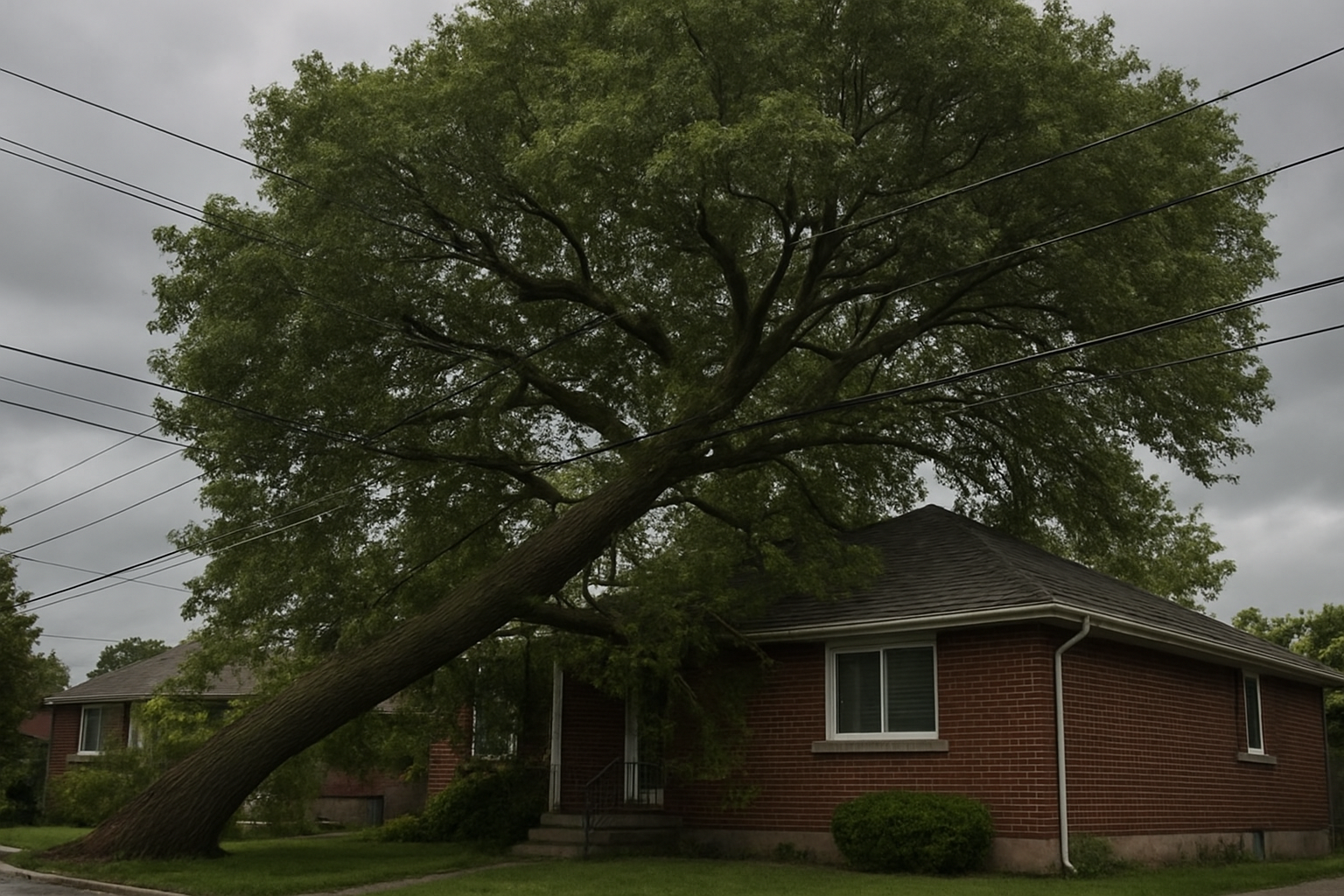
Overhanging Branches Threatening Roof and Gutter Systems
Your roof represents one of your biggest investments, and tree branches hanging directly over it pose serious threats that demand immediate attention. When branches extend within 6-10 feet of your roofline, you’re looking at potential damage waiting to happen.
Heavy branches scraping against shingles during windy conditions create gradual wear that compromises your roof’s protective barrier. You’ll notice missing granules, cracked shingles, and eventually water infiltration that leads to expensive interior damage. Even seemingly harmless small branches can cause problems – they trap moisture, leaves, and debris that prevent proper drainage and create ice dam conditions in winter.
Your gutters face similar risks when tree canopies hover too close. Falling twigs, leaves, and seasonal debris quickly overwhelm your drainage system, causing water to back up and potentially damage your home’s foundation. The constant weight of accumulated organic matter can bend or detach gutters from their mounting hardware.
Professional arborists recommend maintaining at least 10 feet of clearance between tree canopies and your roof structure. This spacing prevents mechanical damage while allowing adequate air circulation that reduces humidity and mold growth around your home’s exterior.
Root Systems Invading Sewer Lines and Water Mains
Underground utility damage from aggressive root systems costs Toronto homeowners thousands of dollars annually, yet many don’t recognize the warning signs until it’s too late. Tree roots naturally seek out water sources, and your sewer lines and water mains provide exactly what they need to thrive.
You might first notice slow drains, gurgling sounds from your plumbing, or unexplained wet spots in your yard. These symptoms often indicate that roots have already penetrated your underground pipes through small cracks or loose joints. Once inside, roots expand rapidly, creating blockages and eventually causing complete pipe failure.
Certain tree species pose higher risks than others. Willows, poplars, and silver maples have particularly aggressive root systems that can travel 50-100 feet from the trunk searching for water sources. Even smaller ornamental trees planted too close to your home can cause problems as they mature.
The financial impact extends beyond simple pipe repairs. You’re looking at potential costs including:
- Emergency plumbing services and pipe replacement
- Excavation and landscape restoration
- Water damage cleanup if pipes burst indoors
- Increased water bills from undetected leaks
- Municipal fines if tree roots damage city water mains
Professional assessment becomes crucial when trees grow within 25 feet of your home’s main water line or sewer connections.
Power Line Interference Creating Electrical Safety Risks
Electrical hazards from tree-power line contact represent the most dangerous proximity issue you’ll face as a homeowner. Power lines carry thousands of volts, and tree contact can create life-threatening situations that require immediate professional intervention.
You should never attempt to remove branches touching or growing near power lines yourself. Even branches that appear to be merely “close” to electrical wires can conduct electricity, especially when wet from rain or morning dew. The electrical arc can jump several feet, creating invisible danger zones around seemingly safe areas.
Storm conditions amplify these risks dramatically. Wind causes branches to sway into power lines, creating sparks, power outages, and potential fires. Heavy snow or ice loading can cause branches to break and fall directly onto electrical equipment, creating hazardous conditions that persist long after the storm passes.
Your local utility company typically maintains easements around major transmission lines, but residential service lines often lack adequate clearance. Trees growing within 20 feet of overhead electrical service require regular professional trimming to maintain safe distances.
| Distance from Power Lines | Risk Level | Action Required |
|---|---|---|
| Direct contact | Extreme | Emergency removal |
| Within 6 feet | High | Professional trimming |
| 6-15 feet | Moderate | Regular monitoring |
| 15+ feet | Low | Routine maintenance |
Contact your utility provider immediately if you notice any tree branches touching or dangerously close to power lines. They’ll coordinate with certified arborists who have specialized training and equipment to work safely around electrical infrastructure.
Construction and Development Clearance Requirements
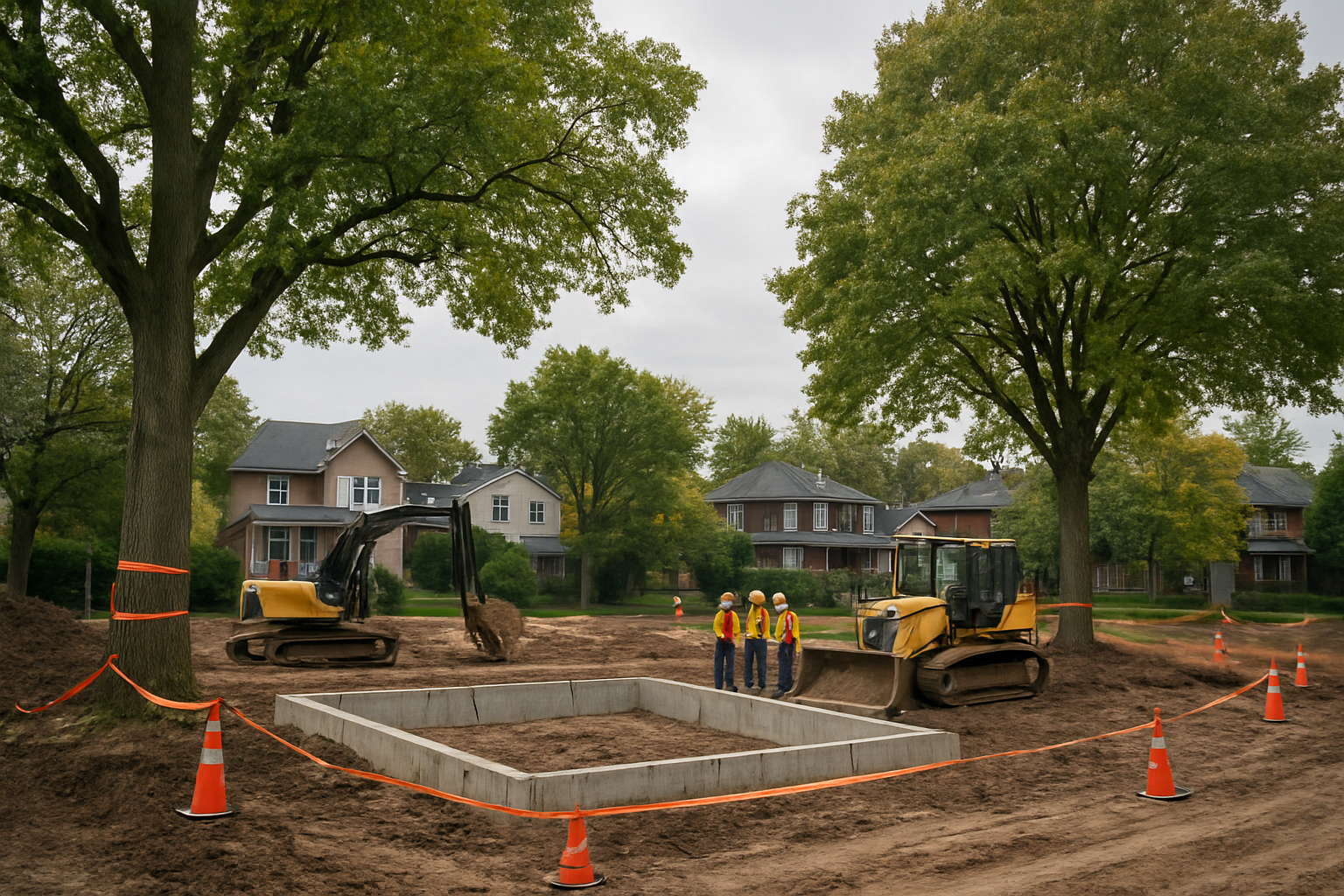
Building Permit Requirements for Tree Removal Documentation
When you’re planning construction projects in Toronto, your municipality requires specific documentation before you can remove trees. You’ll need to submit a detailed tree inventory that includes species identification, trunk diameter measurements, and health assessments for every tree on your property. Most cities mandate permits for removing trees larger than 20 centimeters in diameter, and the application process typically takes 4-6 weeks.
Your permit application must include a site plan showing existing trees, proposed construction areas, and replacement planting locations. You’re required to demonstrate that tree removal is necessary for your project and that you’ve explored alternatives like root pruning or canopy reduction. Many municipalities also require you to pay compensation fees ranging from $300-$1,500 per tree, depending on size and species.
Professional arborist reports become mandatory when you’re dealing with heritage trees or trees in environmentally sensitive areas. Your arborist must provide detailed assessments explaining why preservation isn’t feasible and recommending appropriate replacement species. Failing to obtain proper permits can result in fines up to $100,000 and legal complications that delay your entire project.
Site Preparation Needs for Home Additions and Renovations
Your home addition or renovation project creates specific tree removal scenarios that go beyond basic permit requirements. When you’re excavating foundations, installing new utilities, or expanding your footprint, you need to consider root zone impacts that extend far beyond the visible canopy. Tree roots typically spread 1.5 to 3 times wider than the branch spread, meaning your construction activities might damage trees located surprisingly far from your building site.
You’ll face critical decisions about which trees can safely remain during construction. Trees within the critical root zone—typically defined as one foot of radius for every inch of trunk diameter—rarely survive major soil disturbance. Your contractor needs clear access routes for heavy equipment, material storage areas, and workspace that often conflicts with existing tree locations.
Timing becomes crucial for your project success. You should complete tree removal during dormant seasons when possible, typically late fall through early spring. This timing minimizes stress on remaining trees and allows you to coordinate removal with your construction schedule. Your site preparation phase should include protective measures for trees you’re keeping, such as tree protection fencing, root barrier installation, and soil compaction prevention around preserved specimens.
Utility Installation Projects Requiring Tree Clearance
Your utility installation projects present unique challenges that often require immediate tree removal decisions. Whether you’re installing new electrical service, upgrading gas lines, or connecting to municipal water systems, utility corridors have strict clearance requirements that don’t allow for compromise. You’ll discover that utility companies maintain easements with specific vegetation management standards that supersede your personal preferences for tree preservation.
Underground utility installations create the most complex tree removal scenarios. Your excavation work for water, sewer, or electrical lines frequently conflicts with established root systems. Trees located within 10 feet of major utility trenches face significant survival challenges, and your utility company may require preemptive removal to prevent future service interruptions and costly emergency repairs.
Overhead power line clearances demand different considerations. You need minimum clearances of 10-15 feet from primary distribution lines and 3-6 feet from secondary service lines, depending on voltage levels. Your electrical utility company conducts regular vegetation management that might include removing trees you’d prefer to keep. Planning utility upgrades or new service connections requires coordination with arborists who understand both tree biology and utility safety requirements.
Emergency utility repairs often override normal permitting processes, and you might find yourself dealing with immediate tree removal needs during storm recovery or service restoration situations. Your preparation should include identifying potential utility-tree conflicts before they become emergency situations requiring expensive, rushed solutions.
Overcrowding Issues Affecting Landscape Health
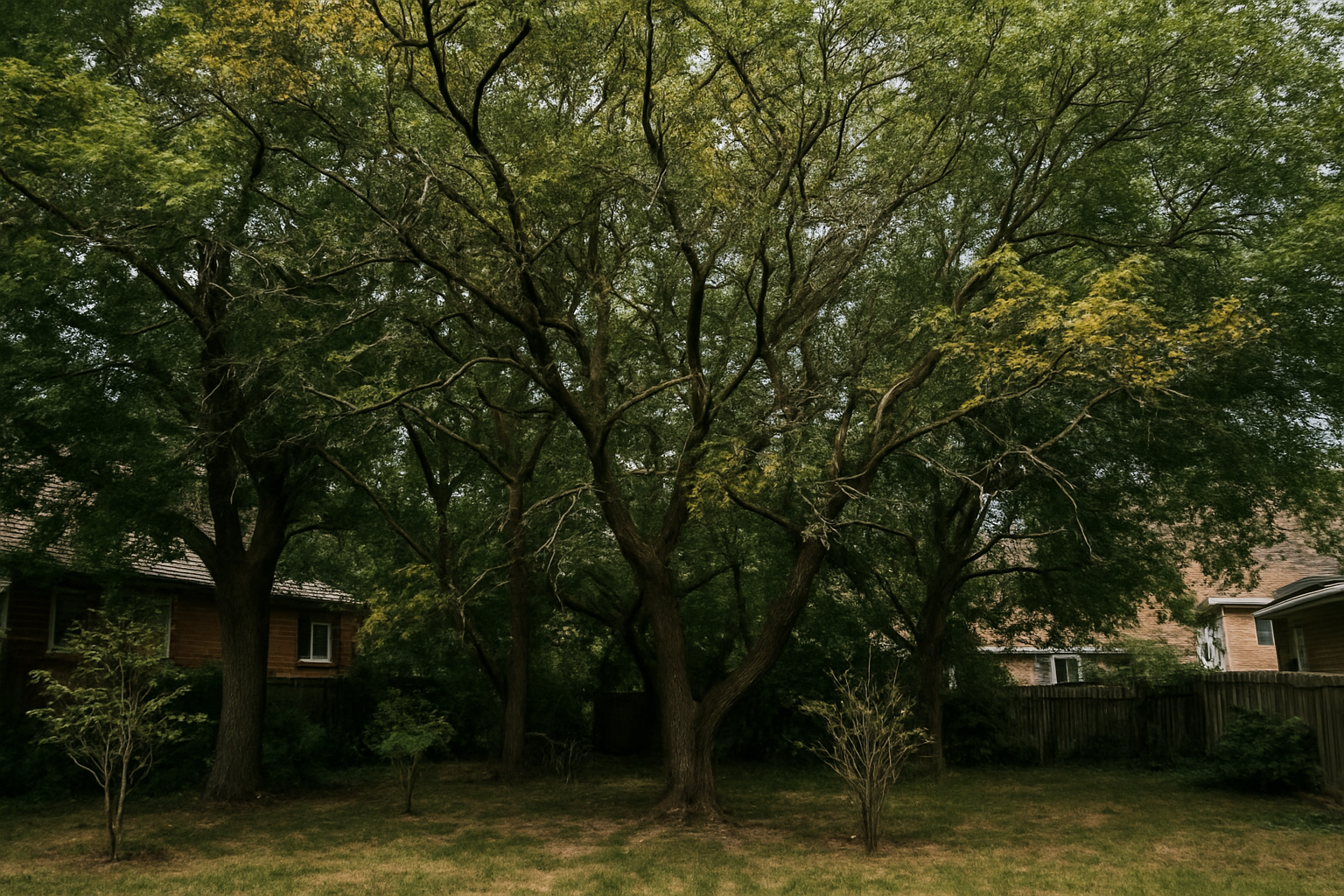
Competition for Resources Stunting Multiple Tree Growth
When you plant trees too close together, you’re essentially forcing them to fight over the same resources. Your trees need adequate space to spread their root systems and access nutrients from the soil. In overcrowded conditions, each tree receives only a fraction of what it needs to thrive.
You’ll notice this competition most clearly in the stunted growth patterns of your trees. Instead of developing into healthy, full-sized specimens, overcrowded trees remain smaller, with thinner trunks and sparse canopies. Their root systems become intertwined and compressed, creating a web of competition underground that you can’t see but definitely affects what’s happening above ground.
The weaker trees in your overcrowded landscape become prime targets for pests and diseases. When trees are stressed from resource competition, their natural defense systems weaken, making them vulnerable to infestations that can spread to your healthier specimens. You might find yourself dealing with a domino effect where one struggling tree becomes the entry point for problems that affect your entire landscape.
Smart tree removal in these situations means identifying which specimens have the best potential for long-term health and removing the others. Your goal should be giving the remaining trees enough space to develop properly rather than watching multiple trees struggle indefinitely.
Poor Air Circulation Creating Disease-Prone Environments
Your densely packed trees create pockets of stagnant air that become breeding grounds for fungal diseases and pest infestations. Without proper airflow, moisture gets trapped around tree trunks and foliage, creating the humid conditions that many tree diseases love.
You’ll start seeing signs of this poor circulation through increased fungal growth on bark, persistent moisture problems, and higher instances of leaf spot diseases. The lack of air movement means that spores and pathogens linger around your trees much longer than they would in a well-ventilated landscape. This creates a cycle where diseases spread more easily from tree to tree.
Your landscape’s microclimate becomes increasingly unhealthy as trees block natural wind patterns. The trapped humidity and reduced air movement affect not just your trees but also the understory plants and lawn areas beneath them. You might notice increased moss growth, persistent damp spots, and overall decline in plant health throughout the affected area.
Removing strategically selected trees opens up these air corridors and dramatically improves the health of your remaining landscape. You’re essentially allowing your property to breathe again, which reduces disease pressure and creates better growing conditions for everything in your yard.
Inadequate Sunlight Access Limiting Garden Productivity
Your overcrowded trees are probably blocking more sunlight than you realize, creating deep shade that limits what you can grow beneath them. Most garden plants, lawn grasses, and even shade-tolerant species need some filtered light to photosynthesize effectively and maintain healthy growth.
You’ve likely noticed bare patches in your lawn or struggling flower beds in areas where tree canopies overlap. This isn’t just an aesthetic problem – it’s a sign that your landscape ecosystem is out of balance. The excessive shade forces you to replant the same areas repeatedly or accept that large portions of your property remain unproductive.
Your property’s overall biodiversity suffers when too much shade eliminates the variety of plants that could otherwise thrive in your landscape. Native understory plants, beneficial flowering species, and food-producing gardens all need adequate light levels that overcrowded trees simply can’t provide.
The economic impact hits your wallet too. You’re spending money on plants that fail to establish, lawn treatments that don’t work in deep shade, and potentially higher energy costs if the excessive tree cover blocks beneficial solar gain to your home during colder months. Strategic tree removal restores the light balance your property needs to support diverse, productive landscaping while maintaining appropriate shade where you actually want it.
Safety Concerns for Children and Pedestrian Areas
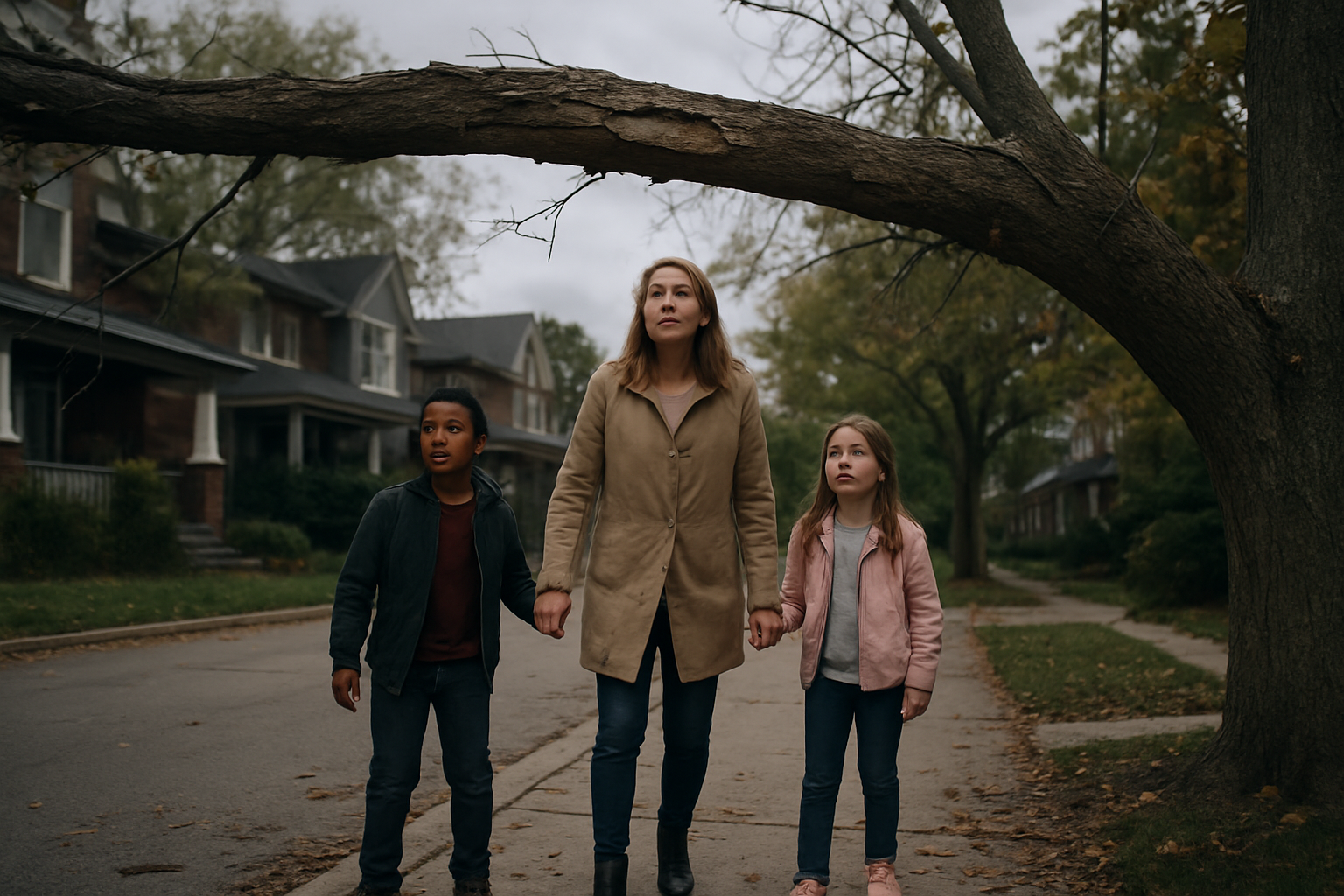
Unstable Trees Near Play Areas and Walkways
When you have children playing in your yard or frequent foot traffic along walkways, unstable trees become serious hazards that you can’t afford to ignore. Dead or dying trees with compromised root systems pose immediate risks, especially during windy conditions or after heavy rainfall. You’ll notice warning signs like exposed roots, leaning trunks, or soil heaving around the base of the tree.
Pay close attention to trees with visible cracks in the trunk, hollow sections, or branches that hang at odd angles. These structural weaknesses can cause sudden failures without warning. If you spot mushrooms or fungi growing at the base of a tree near your children’s play area, this often indicates internal decay that has progressed to dangerous levels.
Your property’s walkways and sidewalks require special consideration too. Trees with shallow root systems can create uneven surfaces that trip pedestrians, while overhead branches may break and fall during storms. Check for trees that have already dropped large limbs – this pattern typically continues and escalates over time.
Don’t wait for an accident to happen. If you notice any tree showing signs of instability within 50 feet of where children play or people regularly walk, contact a certified arborist immediately for professional assessment and removal if necessary.
Poisonous Tree Species Creating Health Risks
Certain tree species in Toronto present serious health risks, especially to curious children who might touch, chew, or play with fallen leaves, berries, or bark. You need to identify and remove dangerous species like yew trees, whose needles, bark, and berries contain toxic compounds that can be fatal if ingested. Even small amounts can cause severe poisoning in children and pets.
Black walnut trees create another concern through their roots, which release juglone – a chemical that’s toxic to many plants and can cause skin irritation in sensitive individuals. While not immediately life-threatening, prolonged exposure can cause problems for your family and garden.
Watch out for trees producing toxic fruits or nuts that might attract children. Horse chestnut trees drop appealing-looking nuts that contain saponins, causing nausea and digestive issues when eaten. Similarly, elderberry trees can be problematic since children often can’t distinguish between the safe, ripe berries and the toxic raw berries, bark, and leaves.
If you have young children or operate a daycare, you should prioritize removing these hazardous species from your property. The risk simply isn’t worth keeping these trees, no matter how attractive they might be. Professional arborists can help you identify potentially dangerous species and suggest safe alternatives for replacement plantings.
Large Limbs Over High-Traffic Zones
Heavy branches hanging over areas where people frequently walk, drive, or gather create potentially catastrophic situations that you must address promptly. These limbs can weigh several hundred pounds and cause serious injury or property damage when they fail. You’ll often see warning signs before complete failure occurs – look for cracks where branches meet the trunk, dead or dying foliage on specific limbs, or branches that have already started to droop.
Weather conditions make these situations even more dangerous. Ice storms add tremendous weight to branches, while strong winds create additional stress on already compromised limbs. You might have branches that look stable during calm weather but become lethal during storms.
Evaluate the areas beneath large trees on your property where people spend time – patios, driveways, parking areas, and pathways. Any branch larger than four inches in diameter hanging over these zones deserves careful inspection. Dead branches pose immediate risks, but even healthy-looking limbs can fail if they’re too heavy for their attachment point.
Don’t try to handle large limb removal yourself. These jobs require specialized equipment and expertise to safely cut and lower heavy branches without causing damage or injury. Professional tree services have the tools and experience to remove dangerous limbs while preserving the health of your trees whenever possible. The cost of professional removal is minimal compared to the potential liability you face if someone gets hurt on your property.
Legal and Insurance Liability Considerations
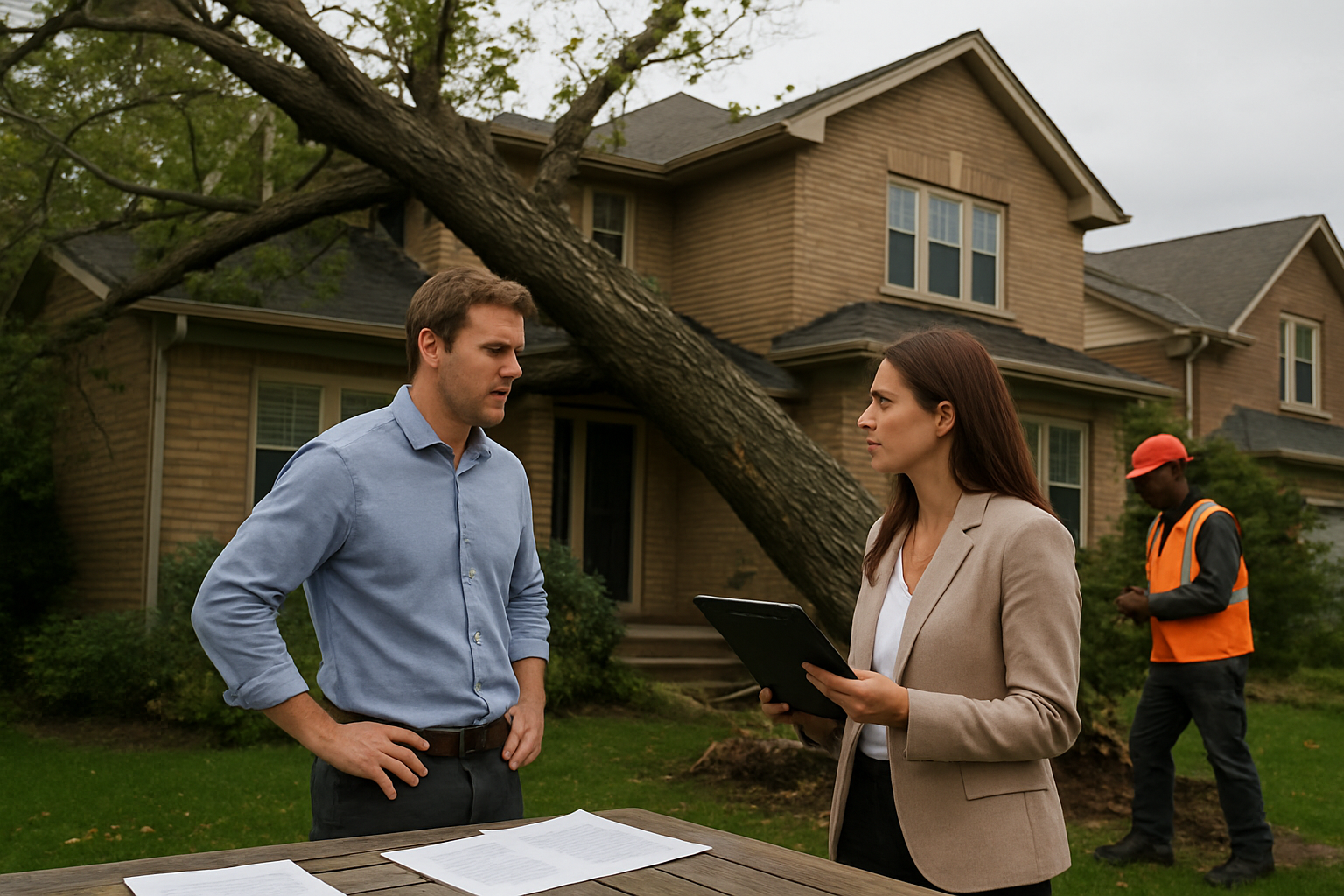
Municipal Bylaws Requiring Hazardous Tree Removal
Your city’s tree protection bylaw might seem like it prevents tree removal, but Toronto’s municipal regulations actually require you to remove trees that pose safety risks. When your tree becomes structurally unsound or diseased beyond treatment, you’re legally obligated to take action. The city can issue removal orders for hazardous trees, and ignoring these orders can result in fines ranging from $500 to $100,000.
You need to understand that Toronto’s bylaw distinguishes between healthy tree preservation and public safety requirements. If a certified arborist identifies your tree as hazardous, you must obtain proper permits and remove it within the specified timeframe. Failing to comply puts you at risk of legal action and potential liability for any damage the tree might cause.
The permit process typically takes 2-4 weeks, but emergency removals can be expedited when immediate danger exists. Keep documentation from your arborist assessment, as this serves as your legal justification for removal and protects you from bylaw violations.
Insurance Coverage Implications for Known Tree Hazards
Your homeowner’s insurance coverage changes dramatically once you become aware of a tree hazard on your property. Insurance companies expect you to act reasonably when you know about potential risks. If you’ve been warned about a dangerous tree by an arborist, tree service company, or neighbor, your insurance company considers this “constructive knowledge.”
Should your tree damage a neighbor’s property or injure someone after you’ve been made aware of the hazard, your insurance company may deny coverage or hold you personally liable. This means you could face out-of-pocket costs for property damage, medical bills, and legal fees that can easily reach tens of thousands of dollars.
Your policy likely covers “sudden and accidental” damage, but excludes damage from trees you knew were hazardous. Document all professional assessments and keep records of any maintenance or removal work. This paper trail proves you acted responsibly when insurance claims arise.
Some insurance companies now require regular tree inspections for policies covering older properties or homes with large, mature trees. Check with your insurer about their specific requirements and whether proactive tree removal might qualify you for premium reductions.
Neighbor Property Damage Prevention Responsibilities
You bear legal responsibility for tree damage extending beyond your property lines, regardless of where the tree trunk sits. If your tree’s branches overhang your neighbor’s yard, you’re liable for damage those branches cause when they fall. This includes damage to roofs, vehicles, landscaping, and personal property.
Your neighbor can legally trim branches extending over the property line, but they cannot damage or kill your tree in the process. However, if your tree poses an obvious hazard, your neighbor can demand you address it. Written notice from your neighbor about a dangerous tree creates legal documentation that could be used against you in court.
Smart property owners maintain open communication with neighbors about tree concerns. Regular professional inspections help you identify problems before neighbors complain or damage occurs. When disputes arise, mediation often proves less expensive than litigation.
You should also consider how root systems affect neighboring properties. Tree roots can damage foundations, driveways, and underground utilities. While proving root damage can be complex, courts increasingly hold tree owners responsible when evidence clearly links property damage to their trees.
Professional Assessment Triggers Requiring Expert Evaluation
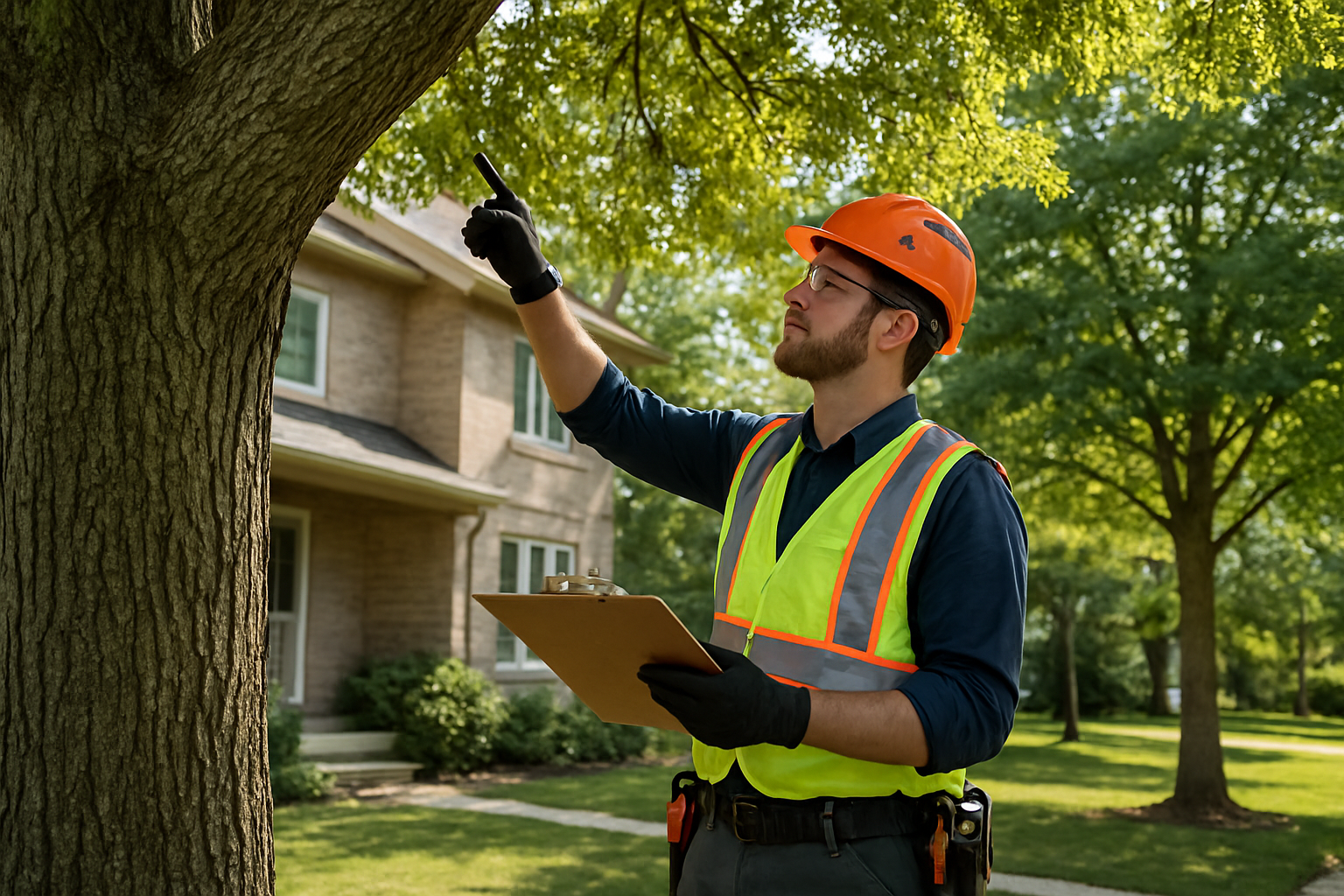
Annual Tree Health Inspections Revealing Decline
When certified arborists conduct your annual tree health assessments, they’re looking for subtle changes that you might miss during casual observation. You should schedule these professional evaluations every 12-18 months, especially for mature trees over 25 years old or trees that have previously shown signs of stress.
During these inspections, professionals use specialized tools like resistograph testing to measure internal wood density, revealing decay that’s invisible from the outside. They’ll examine your tree’s crown density, looking for gradual thinning that indicates declining vigor. A healthy tree maintains 60-80% crown density, but when this drops below 50%, removal often becomes necessary.
You need to pay attention when arborists document progressive symptoms across multiple seasons. These might include:
- Decreasing leaf size and color intensity year over year
- Reduced new growth or shorter annual shoots
- Increasing deadwood percentage in the canopy
- Root collar examination revealing girdling roots or decay
- Soil compaction measurements affecting root health
- Cambium layer assessment showing reduced vitality
Professional assessments also include advanced diagnostics like aerial lift inspections for tall trees, allowing arborists to examine upper canopy conditions you can’t see from ground level. When these comprehensive evaluations reveal consistent decline patterns despite treatment attempts, removal becomes the safest option to prevent sudden failure.
Unusual Growth Patterns Indicating Underlying Problems
Your trees communicate distress through abnormal growth patterns that trained professionals can interpret. When you notice your tree developing unusual characteristics, these visual cues often signal serious underlying issues requiring immediate expert evaluation.
Co-dominant stems represent one of the most concerning growth patterns. You’ll recognize these as two or more main trunks growing from the same point, creating weak attachment points prone to splitting. Arborists call this “included bark,” where bark grows between stems instead of strong wood connections, making catastrophic failure likely during storms.
Watch for sudden changes in your tree’s growth direction or lean. While slight lean is normal, progressive leaning or new lean following storms indicates root damage or soil instability. Professional inclinometer measurements can determine if your tree exceeds safe lean parameters (typically 15-20 degrees from vertical).
Epicormic sprouting – those clusters of small branches growing directly from the trunk or main branches – signals severe stress. Your tree produces these “water sprouts” when trying to compensate for crown loss or root damage. While they might seem like healthy new growth, they’re actually warning signs of declining tree health.
Other concerning patterns include:
- Cankers or swelling along the trunk indicating internal decay
- Root flare abnormalities suggesting girdling roots
- Dieback patterns starting from branch tips and progressing inward
- Asymmetrical crown development indicating one-sided root loss
Pest Activity Signs Requiring Immediate Intervention
Certain pest infestations move so quickly that you have only narrow windows for professional intervention before tree removal becomes your only option. Emerald Ash Borer (EAB) exemplifies this urgency – once you spot D-shaped exit holes in your ash tree’s bark, the infestation has typically progressed too far for treatment.
You should call professionals immediately when you notice unusual insect activity around your trees. Look for sawdust-like frass accumulating at the tree base, which indicates boring insects creating galleries inside the trunk. These wood-boring pests can compromise structural integrity within a single growing season.
Asian Longhorned Beetle damage presents another emergency situation. You’ll recognize their perfectly round exit holes about the size of a dime, often accompanied by sawdust and sap weeping. Professional identification is critical because these invasive species face quarantine regulations requiring immediate removal and disposal protocols.
Scale insect infestations can quickly overwhelm trees, especially during drought stress. When you see honeydew coating (sticky substance) covering leaves and branches, along with sooty mold growth, your tree may be beyond recovery. Professional assessment determines whether systemic treatments can save the tree or if removal prevents spread to nearby vegetation.
Warning signs requiring immediate professional evaluation include:
- Woodpecker damage indicating insect activity inside the trunk
- Premature leaf drop during growing season
- Unusual sap flow or bleeding from bark
- Fungal fruiting bodies growing from trunk or roots
- Rapid crown dieback following pest detection

When you spot these warning signs on your property, don’t wait to take action. Dead branches hanging over your home, disease spreading through your trees, or roots growing too close to your foundation aren’t problems that fix themselves over time. Toronto arborists see the same pattern every year – homeowners who delay addressing these issues end up facing much bigger headaches, from property damage to insurance claims that could have been avoided.
Your trees are valuable assets, but they can quickly become dangerous liabilities when warning signs appear. Whether you’re dealing with storm damage, overcrowding in your yard, or simply unsure about a tree’s condition, getting a professional assessment gives you peace of mind and protects your investment. Don’t let small problems turn into major disasters – if any of these situations sound familiar, reach out to a certified arborist today for an evaluation that could save you thousands down the road.
The post 9 Tree Removal Situations Toronto Arborists Say Homeowners Should Never Ignore (2026 Guide) first appeared on .
from https://torontotreeremoval.ninja/9-tree-removal-situations-toronto-arborists-say-homeowners-should-never-ignore-2026-guide/

Comments
Post a Comment